
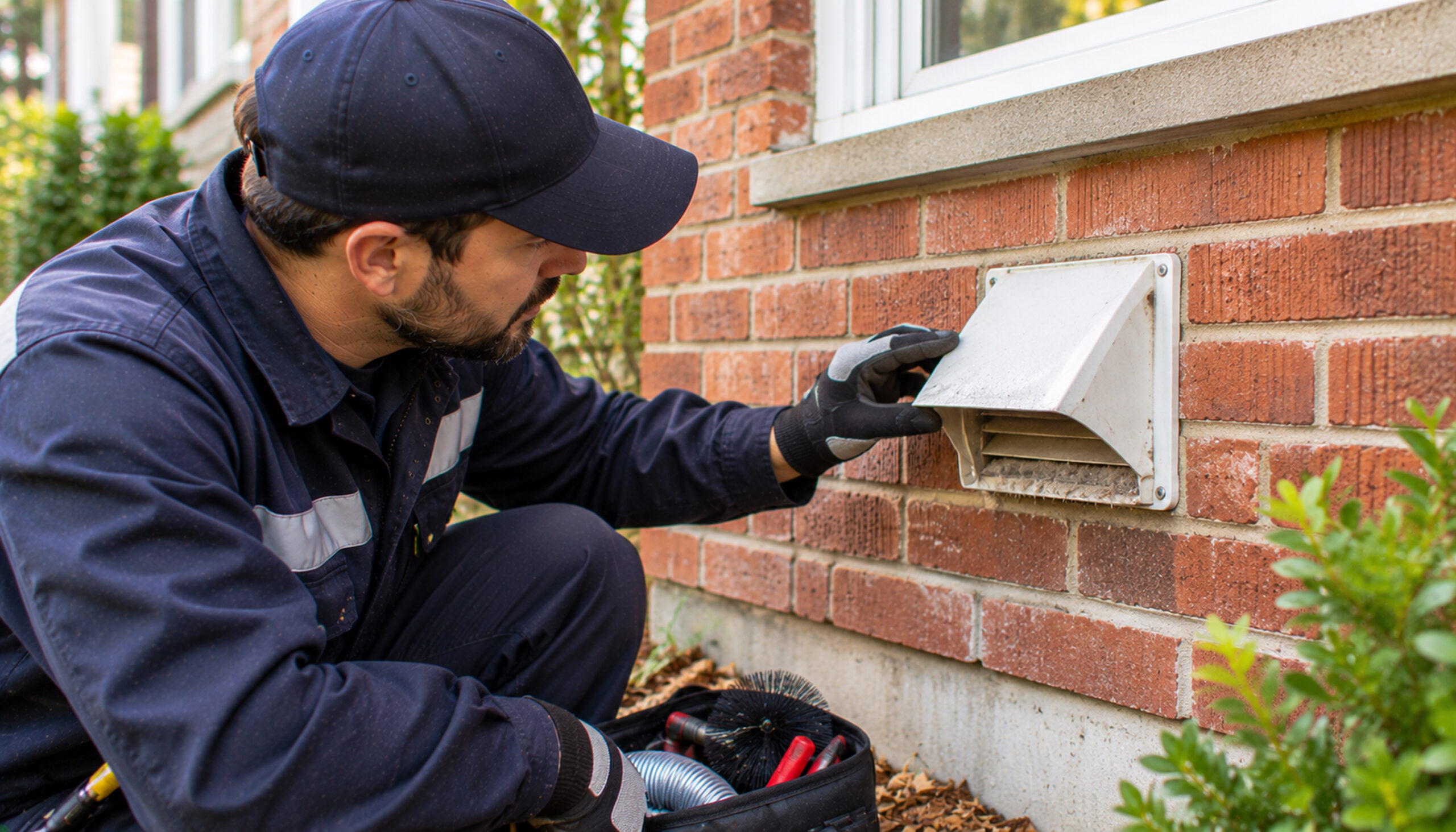
A dryer vent flap not opening outside can indicate a problem with the hood itself or insufficient airflow reaching it. Lint, a damaged connection, or an obstruction elsewhere in the exhaust route may be involved. The flap’s position alone cannot identify the cause.
For a conventional vented dryer, the exterior cover should allow exhaust air to escape during operation. The U.S. Fire Administration specifically recommends checking that the outdoor vent covering opens when the dryer runs.
Chimney Experts NY provides chimney cleaning in New York alongside dryer vent services. When booking a dryer vent assessment, mention whether the exterior flap stays closed and whether clothes have started taking longer to dry.
What Does the Outside Dryer Vent Flap Do?
Many exterior dryer hoods have a hinged flap or several movable louvers. Exhaust airflow opens them while the dryer operates, and they close when the airflow stops.
Not every termination looks the same. Before judging its operation, identify which outlet serves your dryer. A nearby bathroom or kitchen exhaust may have a similar-looking cover.
This guide applies to dryers that exhaust outdoors. Ventless condenser and heat-pump dryers have different arrangements and should be maintained according to their manuals.
Why Is the Dryer Vent Flap Not Opening?
Several conditions can produce a similar symptom.
The flap is physically stuck
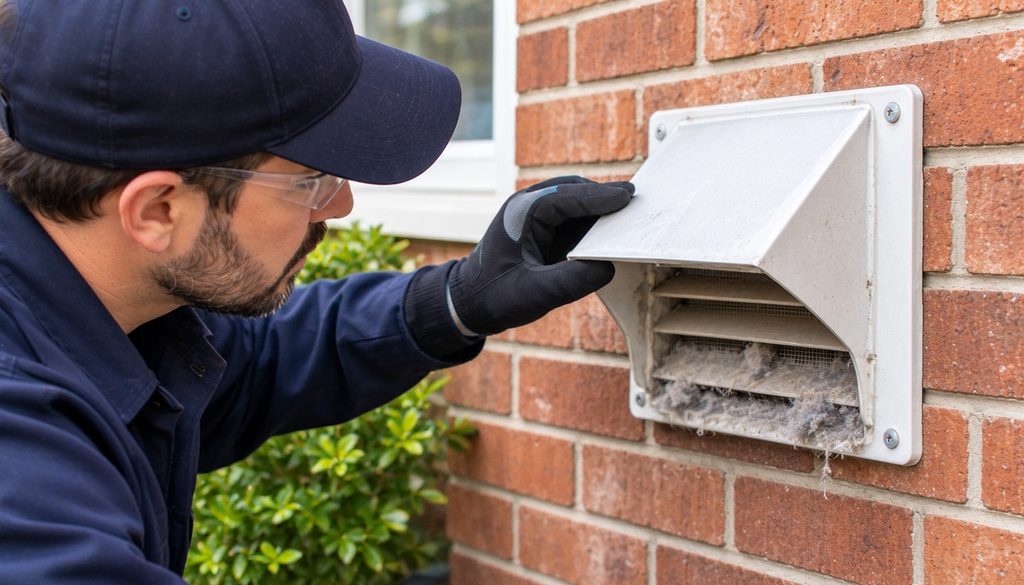
Lint around the edges, damage, corrosion, or an improperly fitted hood may prevent normal movement. A replacement cover can also cause problems if it is unsuitable for the installation.
A technician should check the mechanism rather than assuming the entire duct is blocked.
The exhaust route is restricted
Lint may accumulate beyond the lint screen, including inside the duct or near the termination. GE Appliances also advises checking for wildlife nesting inside the exhaust duct or hood.
Cleaning the lint screen does not establish that the rest of the exhaust route is clear.
The connection behind the dryer is damaged
A crushed or sharply bent transition duct can restrict airflow. A disconnected section may allow exhaust to escape before it reaches the outside hood.
Do not pull a heavy dryer out to investigate, particularly when gas connections or inaccessible wiring are involved. Arrange suitable professional access.
The appliance needs attention
Weak exhaust can also involve an appliance fault. Vent cleaning does not repair a damaged blower or another internal mechanical problem.
If the exhaust route is clear and properly connected but airflow remains inadequate, an appliance technician may need to assess the dryer.
What Can You Safely Observe?
If you have already noticed the flap remaining closed, avoid repeatedly running the dryer to test it.
Record a few useful details:
- Whether the flap stays completely shut or moves slightly.
- Whether drying times have increased.
- Whether lint is visible around the hood.
- Whether the laundry area becomes unusually warm or humid.
- Whether the dryer displays a vent warning.
- Whether the issue began after installation, servicing, or moving the appliance.
Photograph the exterior hood only if it is safely visible from the ground. Do not climb, lean from a window, or reach into an operating exhaust.
For a high exterior outlet or a shared building system, contact the building manager.
Should You Keep Using the Dryer?
A flap that stays shut deserves investigation before continued use, especially if drying performance has changed or the appliance reports a vent problem.
Do not hold the flap open with an object or remove the cover as a permanent workaround. That may leave the actual restriction unresolved.
If there is smoke, a strong burning smell, or signs of fire, leave the area and contact emergency services. For a suspected gas leak, leave the building and contact the gas emergency service from outside.
An exterior flap moving slightly is also not proof that the whole exhaust system is performing correctly.
Latest Blog: Rust in Your Fireplace?
Preparing other parts of your home for heating season? Read Rust in Your Fireplace? What NYC Homeowners Should Know?
That guide explains why the location of fireplace corrosion matters and when moisture or damaged components need assessment. Fireplace rust and dryer exhaust problems require separate investigations.
Will Dryer Vent Cleaning Fix the Problem?
Cleaning may help when lint accumulation is restricting the exhaust route. However, it will not straighten a damaged duct, repair a faulty flap, or resolve an internal appliance defect.
When arranging dryer vent cleaning in NYC, describe the symptom rather than requesting cleaning as the assumed solution.
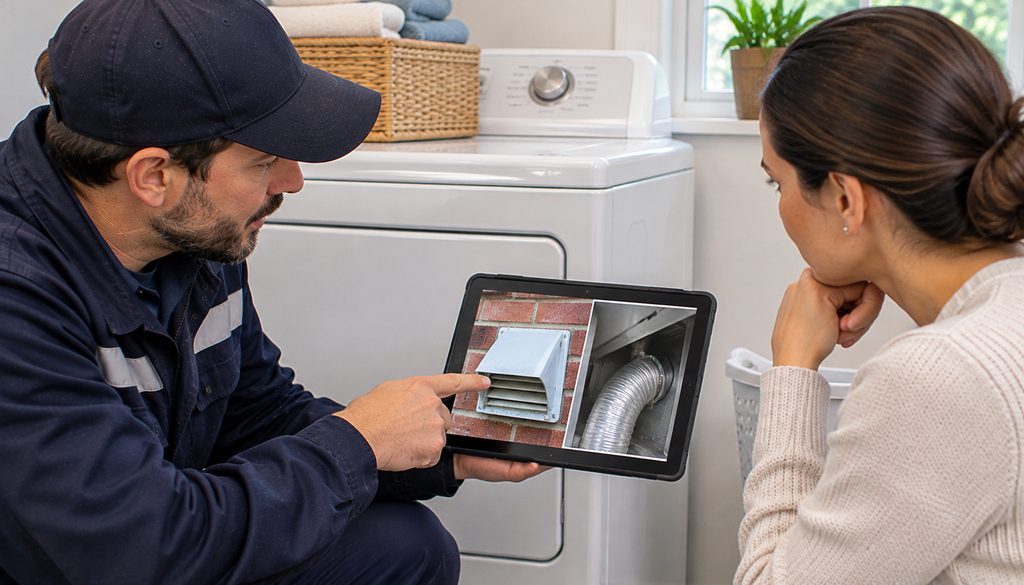
Ask the provider to explain:
- Which parts of the route can be accessed.
- Whether the hood opens and closes properly.
- Whether visible connections are damaged.
- What restriction or defect was found.
- Whether repair or appliance service is also needed.
The service should address the findings rather than treating every closed flap as the same problem.
What If the Hood Needs Replacement?
A damaged exterior hood may need replacement, but the new component should suit the dryer’s exhaust requirements and the building installation.
Do not choose a cover solely because it fits the wall opening. The design must allow the required airflow and remain suitable for dryer exhaust.
Avoid adding improvised mesh or attachments that could catch lint. Ask the installer to confirm compatibility with the appliance instructions and applicable requirements.
If nesting material is suspected, do not poke into the hood or attempt to drive animals out by running the dryer. Arrange an appropriate assessment.
What Changes in a NYC Apartment Building?
An apartment dryer may connect to a route you cannot inspect from your unit. The exterior termination may be several floors above ground or part of a managed exhaust arrangement.
Tell the landlord or building manager about the closed flap, warning messages, or changes in drying performance. They can help identify the correct outlet and arrange access.
Do not alter shared ductwork or assume that the nearest exterior vent belongs to your dryer.
A clear description of when the problem started is useful, particularly after appliance replacement or building work.
Arrange the Right Assessment
A closed dryer vent flap is a reason to investigate the exhaust system, not a diagnosis by itself. The cause may involve cleaning, a damaged component, installation conditions, or appliance service.
Contact Chimney Experts NY to discuss your dryer vent concerns. Share the dryer model, the outlet location if known, and any changes in drying time or warning messages.
Frequently Asked Questions
Should the dryer vent flap open when the dryer runs?
For a conventional vented dryer with a movable exterior cover, exhaust airflow should open the flap or louvers. Their exact movement depends on the hood design.
Does a closed flap always mean the duct is blocked?
No. A stuck hood, damaged connection, weak airflow, or appliance problem may also be involved. Inspection helps distinguish these causes.
Can I tape the flap open?
No. Taping it open does not identify or repair the underlying problem and prevents the cover from working as intended.
Can the vent be restricted even with a clean lint screen?
Yes. The lint screen and exhaust duct are different parts of the system. Material can accumulate farther along the route.
Who should I call: a vent cleaner or an appliance technician?
A dryer vent professional can assess the exhaust route and termination. If those are clear and suitable but the dryer still has an airflow problem, an appliance technician may be needed.

Chimney Experts Cleaning & Repair
Lorem ipsum dolor sit ametLorem ipsum dolor sit amet, consectetur adipiscing elit, sed do eiusmod tempor incididunt ut labore et dolore magna aliqua.
See All Blog