
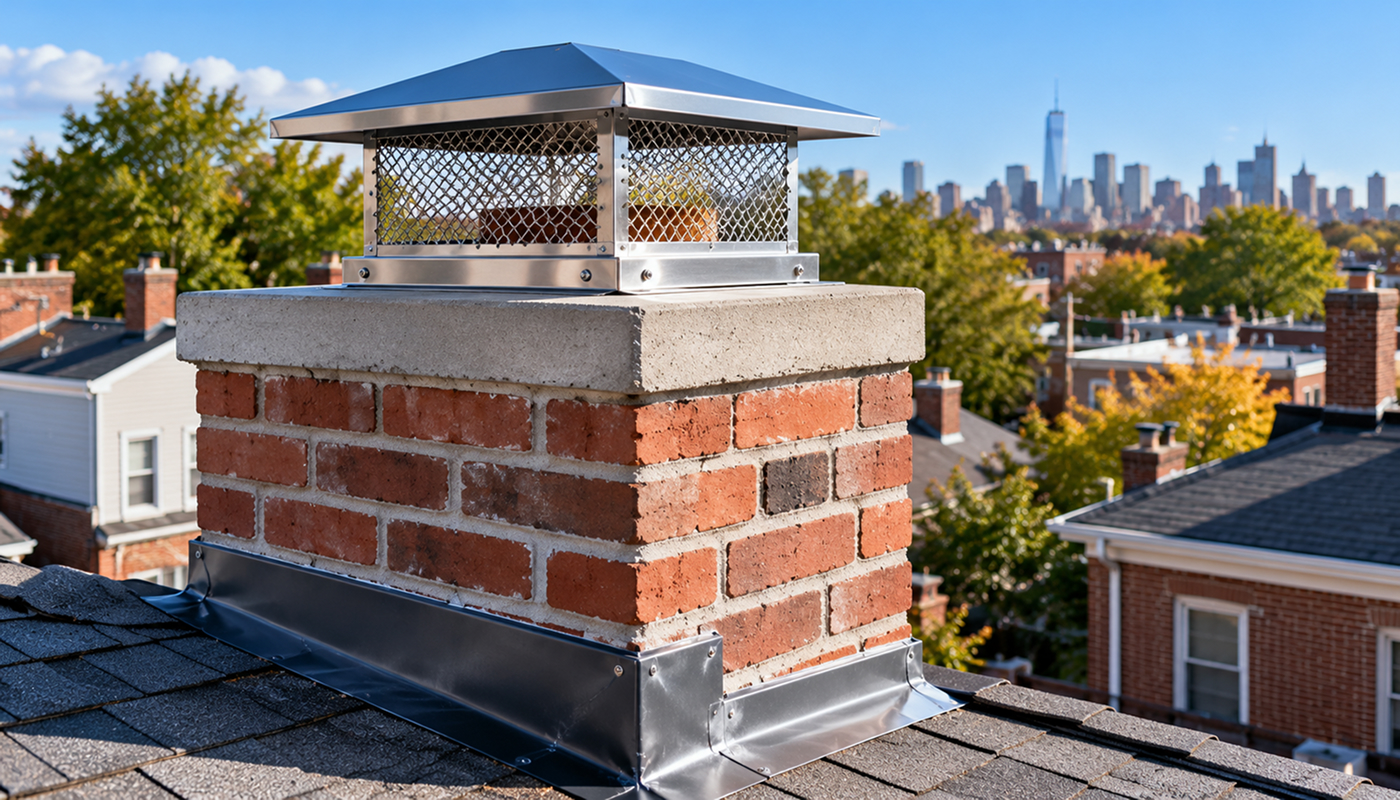
Do you need a chimney cap? For many homes with masonry chimneys, a properly selected cap provides useful protection against rain, animals, and falling debris. However, the right cap depends on the chimney’s construction, the appliances connected to it, and the condition of the existing termination.
Homeowners exploring chimney services in New York should include the chimney top in their maintenance plans. A fireplace can look clean indoors while its cap is missing, loose, or damaged above the roof.
What Is a Chimney Cap?
A chimney cap is a protective cover installed above a chimney’s flue opening. Many masonry chimney caps have a metal roof and screened sides, allowing exhaust to escape while helping keep unwanted material outside.
Some caps cover one flue, while larger designs protect multiple flues. Factory-built chimney systems may require a specific listed termination rather than a general-purpose masonry cap.
A cap is different from a chimney crown. The crown forms the sloped top surface of a masonry chimney around the flue openings. These components serve different purposes, and damage to one does not automatically mean the other needs replacement.
Why Is a Chimney Cap Important?
It Helps Reduce Direct Rain Entry
An uncovered flue leaves a direct opening for rain and snow. A suitable cap helps reduce this exposure, although it cannot make the entire chimney waterproof.
The Chimney Safety Institute of America identifies chimney caps as an important defense against water entering through the chimney opening. Other areas, including flashing and masonry, still need attention.
If your existing cover is missing or deteriorating, professional chimney cap installation can help address the exposed opening. The installation should suit the flue dimensions and chimney system.
It Helps Keep Animals and Debris Outside
Birds, squirrels, and other animals may enter an accessible chimney. Leaves and twigs can also collect inside an uncovered opening.
A suitable cap helps limit these entry routes. However, it should only be installed after confirming that the chimney is clear. Covering an opening while an animal or nest remains inside can create another problem.
Some Designs Help Contain Escaping Embers
Certain chimney caps incorporate spark-arresting screens. Their suitability depends on the chimney system and application.
A screened cap still requires maintenance. Accumulated deposits or damaged mesh can interfere with its condition and function, so having a cap does not replace routine chimney care.
Signs Your Chimney Cap Needs Attention
You may notice a problem from ground level or through changes around the fireplace. Avoid climbing onto the roof to investigate.
Common warning signs include:
- A visibly missing, tilted, or displaced cap.
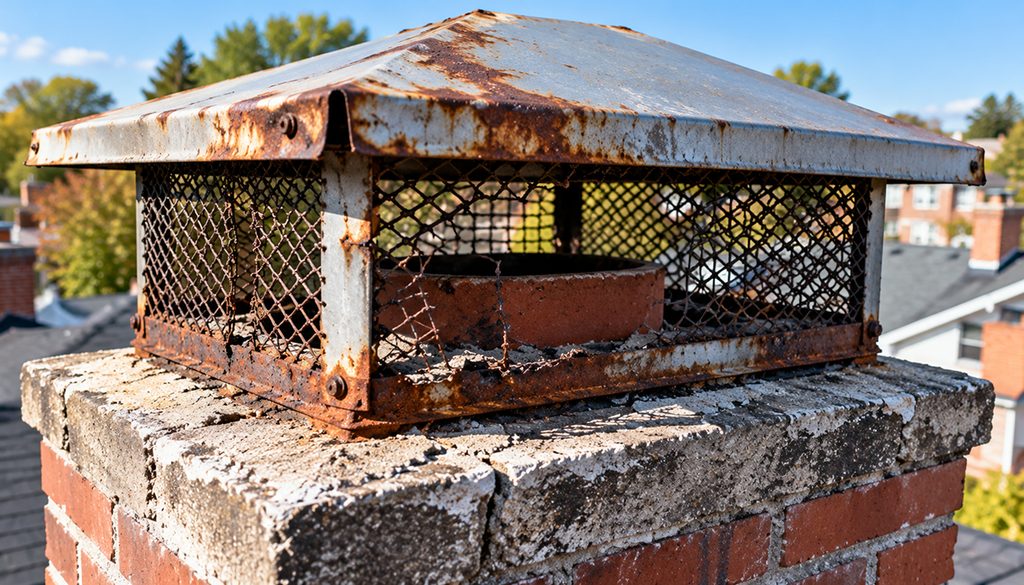
- Rust holes, broken mesh, or bent metal.
- Loose pieces found near the chimney after a storm.
- Leaves or nesting material appearing in the fireplace.
- Scratching or bird sounds coming from the chimney.
- Water appearing in the firebox after rainfall.
These observations are reasons to arrange an assessment. They do not prove that the cap is the only issue.
What If You Hear Animals Inside the Chimney?
Do not light a fire to drive animals out, reach into the flue, or cover the opening yourself. Keep people and pets away from the fireplace and arrange an assessment.
Professional chimney animal removal can help identify the situation and determine the appropriate next steps. Removal methods and timing may depend on the species and any applicable protections. Once the chimney is clear, a suitable cap can help reduce future entry.
Latest Blog: What Does a Chimney Inspection Include?
A damaged cap may be one part of a wider maintenance issue. Our latest guide, what does a Chimney Inspection Include? A Guide for NYC Homeowners, explains how an assessment can cover accessible chimney components and identify concerns that need further attention.
Will a New Chimney Cap Stop Every Leak?
No. A cap can help reduce rain entering through the flue opening, but chimney leaks can have several causes.
Water may enter through damaged flashing, deteriorated mortar joints, cracks in the crown, or other defects around the chimney. Replacing a cap will not repair those areas.
Describe when the moisture appears and where you notice it. For example, water inside the firebox and staining on a nearby ceiling may require different investigations. Identifying the entry point helps avoid replacing a component that is still functioning.
How Is the Right Chimney Cap Selected?
Choosing a cap involves more than matching its appearance to the house.
A technician should consider the number and dimensions of the flues, the chimney’s construction, the connected appliances, and the required clearances. The mounting surface also needs to be suitable for secure installation.
Stainless steel is a common option for masonry chimney caps, but material alone does not guarantee a good installation. Fit, compatibility, attachment, and maintenance all matter.
For factory-built systems, the replacement termination must meet the system manufacturer’s requirements.
Should You Repair or Replace an Existing Cap?
The answer depends on its condition. A serviceable cap may need cleaning or an attachment issue corrected. Significant corrosion, broken screening, or an unsuitable design may make replacement more appropriate.
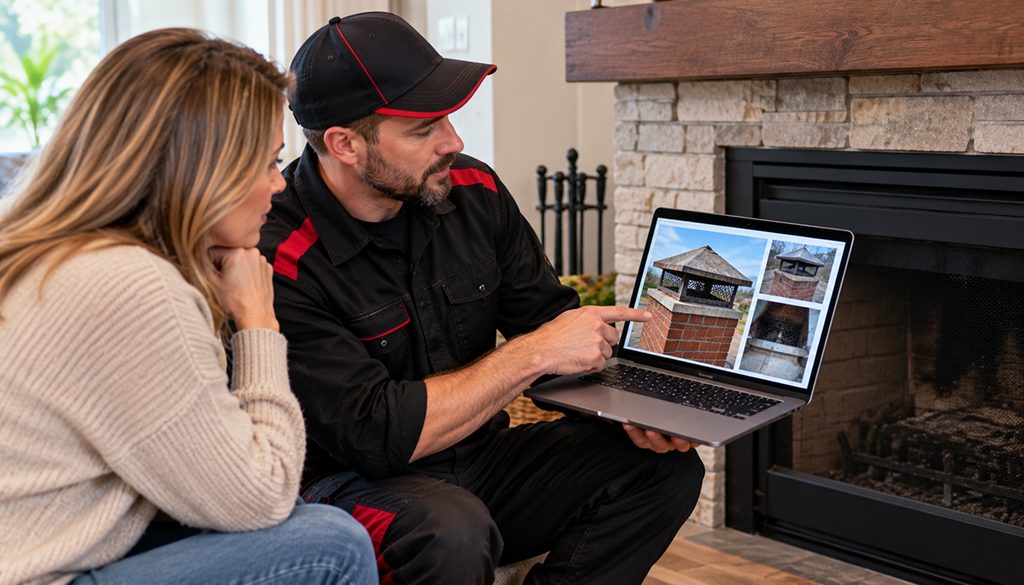
Professional chimney inspection services can help assess the cap alongside the surrounding chimney components. Share any history of leaks, unusual noises, storm damage, or previous repairs when requesting the appointment.
Request a Chimney Cap Assessment
If your cap is missing, damaged, or showing signs of deterioration, contact Chimney Experts Cleaning & Repair to discuss an assessment. Explain what you have noticed so the team can review the chimney’s condition and recommend the work it needs.
Frequently Asked Questions
Does an unused chimney still need a cap?
An unused chimney can still be exposed to rain, animals, and debris. The appropriate protection depends on whether it remains connected to an appliance or has been properly decommissioned.
Can I install any chimney cap on my chimney?
No. Caps must suit the chimney system, flue dimensions, and installation requirements. Factory-built systems may need a manufacturer-specified termination.
How often should a chimney cap be checked?
Have its condition reviewed during regular chimney inspections and arrange an additional assessment if you notice damage or displacement.
Does a chimney cap replace cleaning?
No. A cap does not remove soot, creosote, or existing obstructions. Cleaning and inspection remain separate maintenance needs.
Can a chimney cap fix a smoking fireplace?
A cap is not a universal solution for smoke problems. Blockages, airflow conditions, and other chimney defects may need investigation before choosing a remedy.

Chimney Experts Cleaning & Repair
Lorem ipsum dolor sit ametLorem ipsum dolor sit amet, consectetur adipiscing elit, sed do eiusmod tempor incididunt ut labore et dolore magna aliqua.
See All Blog