
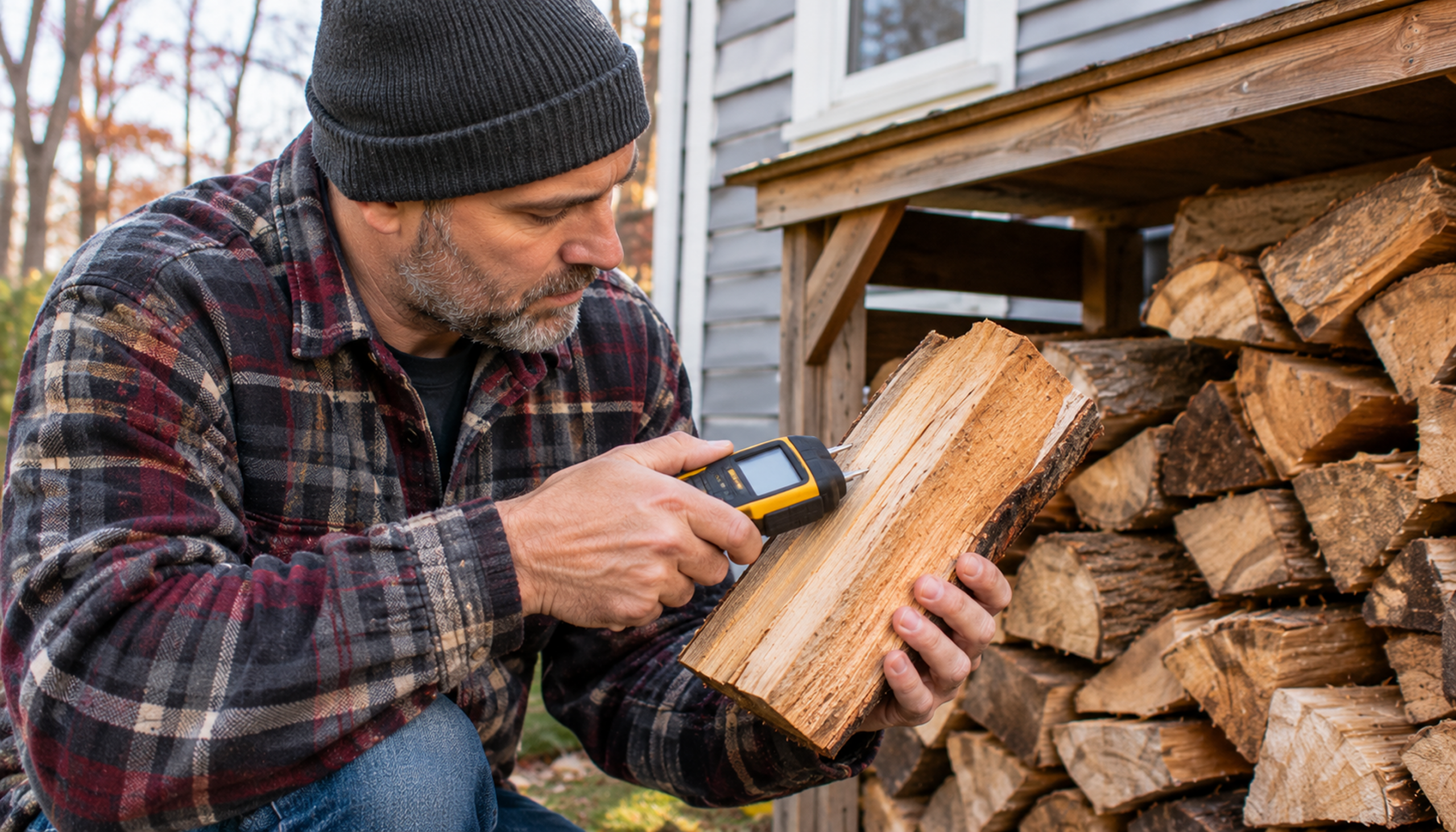
Knowing how to tell if firewood is too wet can help you choose suitable fuel before lighting your fireplace. A log that looks dry outside may still contain considerable moisture inside.
Damp firewood can be difficult to ignite and may burn inefficiently. However, smoke entering your living room should never be dismissed as a fuel problem without considering the fireplace and chimney.
Homeowners arranging chimney cleaning in New York should mention both their firewood and any operating problems. Changing fuel does not remove existing chimney deposits or correct a venting defect.
What Does “Seasoned Firewood” Mean?
Seasoned firewood is wood that has dried sufficiently for use as fuel. Cutting, splitting, stacking, and protecting it from repeated wetting all influence drying.
The word “seasoned” on a seller’s listing does not establish the moisture content of every log. Drying conditions and wood species vary, and logs in the same delivery may not be equally dry.
EPA’s firewood guidance recommends moisture content below 20 percent. A suitable moisture meter helps check whether your supply meets that recommendation.
Follow your fireplace or stove manufacturer’s fuel requirements as well. Different appliances may have specific instructions for log size and operation.
Can You Tell Whether Wood Is Dry by Looking?
Appearance can provide clues, but it cannot reliably measure moisture.
Seasoned wood may feel lighter than freshly cut wood and may show cracks at its ends. However, these features vary, and surface weathering can make damp wood look ready to burn.
Likewise, tapping two logs together or judging their color is not a dependable substitute for measurement.
Use visual clues to decide which logs deserve checking. Do not assume an entire stack is suitable because a few pieces look dry.
How to Check Firewood with a Moisture Meter
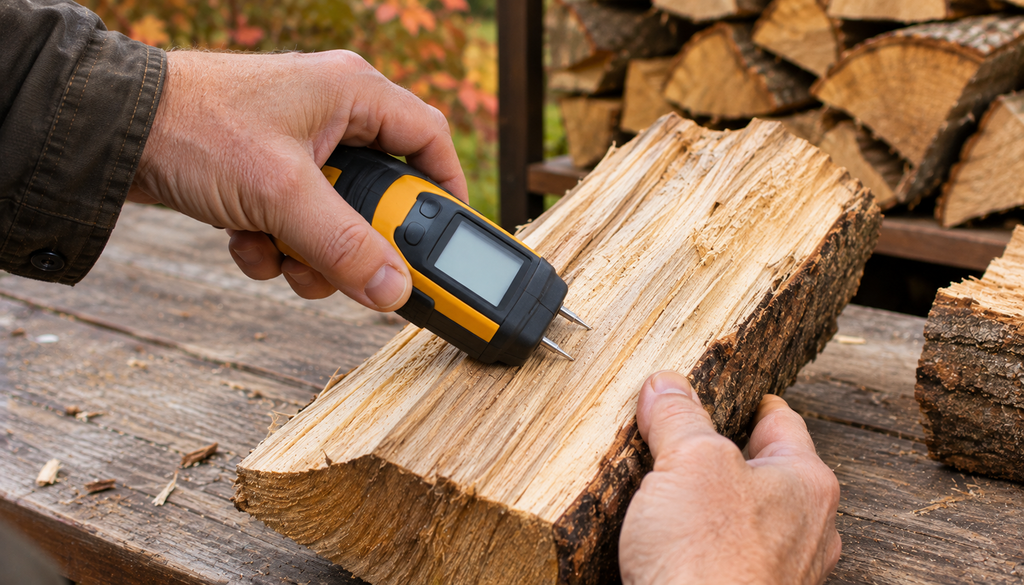
Choose a meter suitable for wood and follow its instructions, including any settings for species or temperature.
The important point is to check the interior. EPA guidance recommends testing newly split wood rather than relying on the weathered outer surface.
A practical approach is to:
- Select several representative logs from different parts of the stack.
- Have a piece split safely to expose its interior.
- Take readings on the freshly exposed face as directed by the meter manufacturer.
- Compare the results with the appliance’s fuel guidance.
Only split logs if you have the appropriate equipment and experience. Keep hands away from meter pins and store the instrument safely.
Why Can Damp Wood Cause Problems?
Part of the energy from burning damp wood goes toward evaporating its moisture. This can reduce useful heat and contribute to smoky combustion.
Unseasoned wood is also one factor that can encourage creosote accumulation in a wood-burning chimney. The amount of buildup depends on several conditions, including operation and the venting system.
Professional chimney cleaning and sweep services address appropriate existing deposits. Switching to drier wood does not clean the chimney or establish that accumulated material is safe.
Avoid compensating for damp fuel by overloading the firebox or operating the appliance beyond its instructions.
Does Kiln-Dried Mean Ready to Burn Forever?
Kiln drying describes a controlled drying process. It does not mean wood cannot become wet again through unsuitable storage.
Likewise, a bag or delivery label does not establish the condition of every piece when you eventually use it.
Check representative logs, especially if the supply has been exposed to weather or stored for an extended period. Keep purchase information so you can discuss unexpected readings with the supplier.
Choose fuel based on its present condition and your appliance’s requirements rather than the label alone.
Latest Blog: Replacing Your Furnace?
Planning a heating upgrade as well? Read Replacing Your Furnace? Why NYC Homeowners Should Check Chimney Venting.
That article explains why changing a furnace can affect an existing chimney arrangement and other connected appliances. Furnace venting and wood-burning fireplace maintenance require separate assessments.
How Should You Store Firewood?
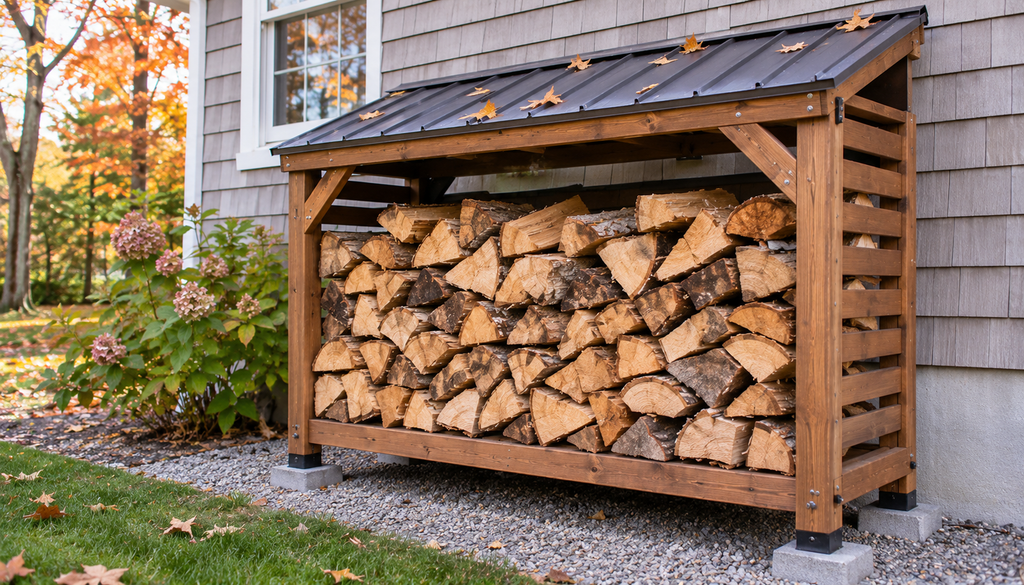
Store split wood off the ground in a stable rack or suitable arrangement that allows air to circulate.
Protect the top from rain and snow while allowing moisture to escape around the sides. Wrapping a damp stack tightly on every side can restrict drying.
Choose a location that complies with building requirements and does not obstruct exits, ventilation openings, or access routes. In NYC apartments or managed properties, ask management about permitted storage areas and quantities.
Keep firewood away from the fireplace and other heat sources according to the appliance’s required clearances. Do not place damp logs beside a burning appliance to speed drying.
Can You Dry Wet Logs Quickly Indoors?
Moving logs indoors does not instantly dry their centers. Avoid trying to accelerate the process with an oven, heater, or active fireplace.
If your supply is too damp, set it aside in suitable storage and obtain fuel that meets the appliance’s requirements.
Drying time varies with species, starting moisture, log size, and storage conditions. A fixed number of months does not guarantee readiness.
Measure again before use rather than assuming a particular date makes the wood suitable.
What if Dry Wood Still Produces Indoor Smoke?
Stop adding fuel and take the situation seriously. Dry wood cannot correct a blocked flue, malfunctioning damper, pressure imbalance, or unsuitable chimney configuration.
Repeated smoke spillage needs professional assessment before further use. Do not light additional test fires to narrow down the cause yourself.
When booking a chimney inspection in New York, explain when smoke appears and provide recent maintenance records. Mention moisture readings as background information, not proof that the chimney is operating correctly.
If smoke is heavy, a carbon monoxide alarm sounds, or anyone feels unwell, leave the property and contact emergency services from outside.
Suitable Fuel Is One Part of Fireplace Care
Use only the fuel approved for your appliance. Avoid treated or painted wood, household rubbish, and materials not intended for the fireplace.
Follow operating instructions, maintain alarms, and arrange regular inspection with cleaning or repairs as needed.
Contact Chimney Experts NY to discuss fireplace performance, suspected deposits, or overdue maintenance. Explain both the symptoms and the fuel you have been using so the appropriate service can be arranged.
Frequently Asked Questions
What moisture level should firewood have?
EPA guidance recommends below 20 percent. Also follow your appliance manufacturer’s fuel requirements.
Can wood be dry outside but wet inside?
Yes. That is why checking a freshly split interior face is more useful than checking only the outer surface.
Are cracked log ends proof that wood is seasoned?
No. Cracks can be a clue, but they do not establish the moisture content.
Will dry firewood remove creosote?
No. Suitable fuel does not remove existing deposits. Arrange professional assessment and cleaning when needed.
Should I keep using the fireplace if changing wood stops the smoke?
A change in performance does not establish that the system is safe. If indoor smoke has been recurring, have the cause assessed before further use.

Chimney Experts Cleaning & Repair
Lorem ipsum dolor sit ametLorem ipsum dolor sit amet, consectetur adipiscing elit, sed do eiusmod tempor incididunt ut labore et dolore magna aliqua.
See All Blog