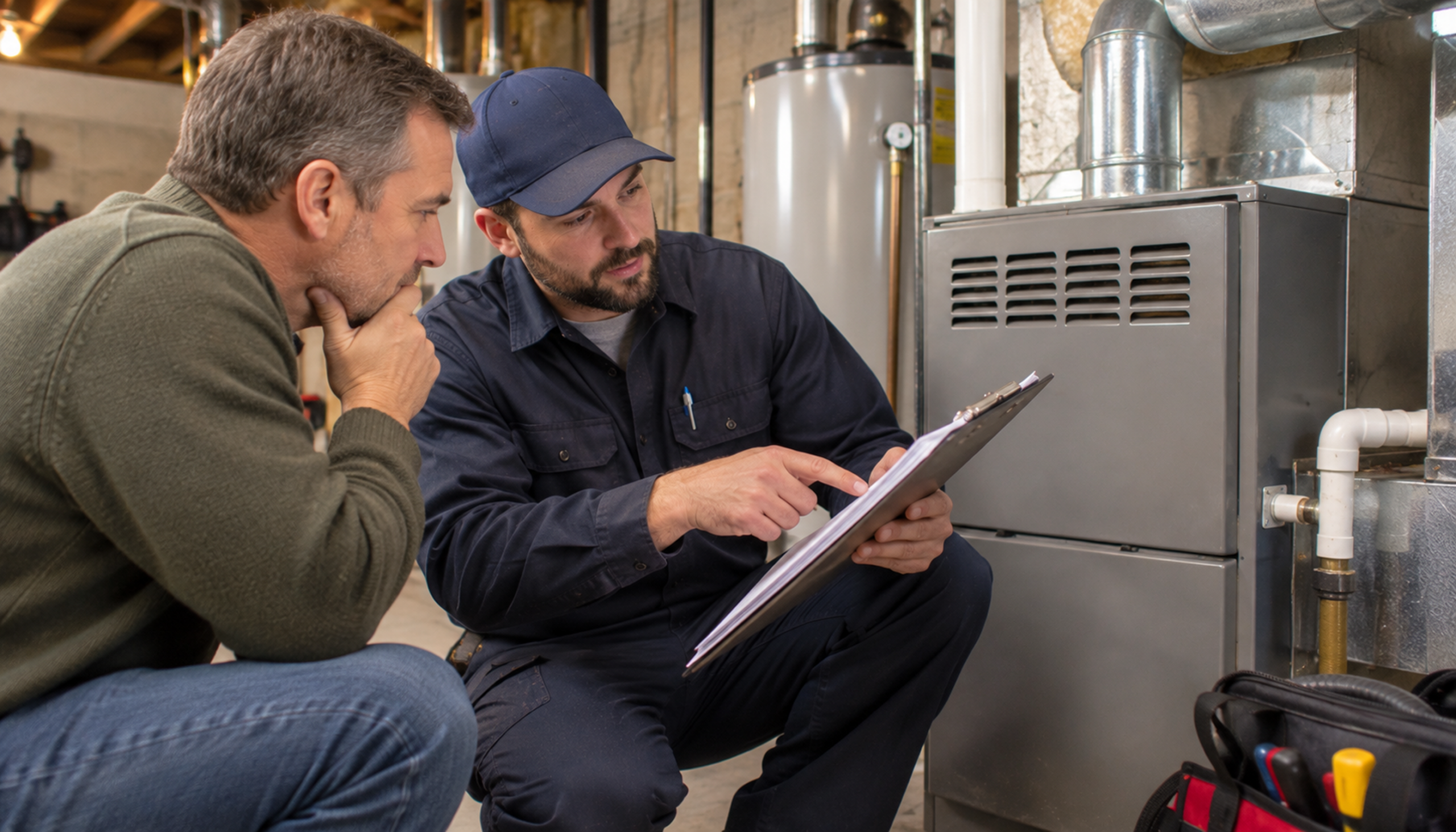
Chimney venting after furnace replacement deserves attention even when the new heating equipment appears to work correctly. A replacement furnace may have different exhaust requirements, and changing one appliance can affect another appliance connected to the same chimney.
The important question is not simply whether the new furnace fits. The installer must determine where its exhaust will go and whether any equipment remaining on the old vent can continue operating appropriately.
Homeowners arranging chimney cleaning in New York should mention a planned furnace replacement when booking. Routine cleaning and evaluating a changed venting arrangement serve different purposes.
Why Can a New Furnace Change the Venting Requirements?
Different furnaces can produce exhaust at different temperatures and use different methods to move combustion gases outside.
Some rely on a chimney or conventional vent arrangement. Others require a dedicated venting system specified by the manufacturer. The materials, connections, termination, and other installation details must suit the particular appliance.
A pipe that served the previous furnace is not automatically suitable for its replacement.
This article focuses on fuel-burning furnaces. An electric furnace or heat pump does not produce combustion exhaust, although removing a fuel-burning furnace can still affect appliances left connected to an existing chimney.
What Happens When a Furnace and Water Heater Share a Chimney?
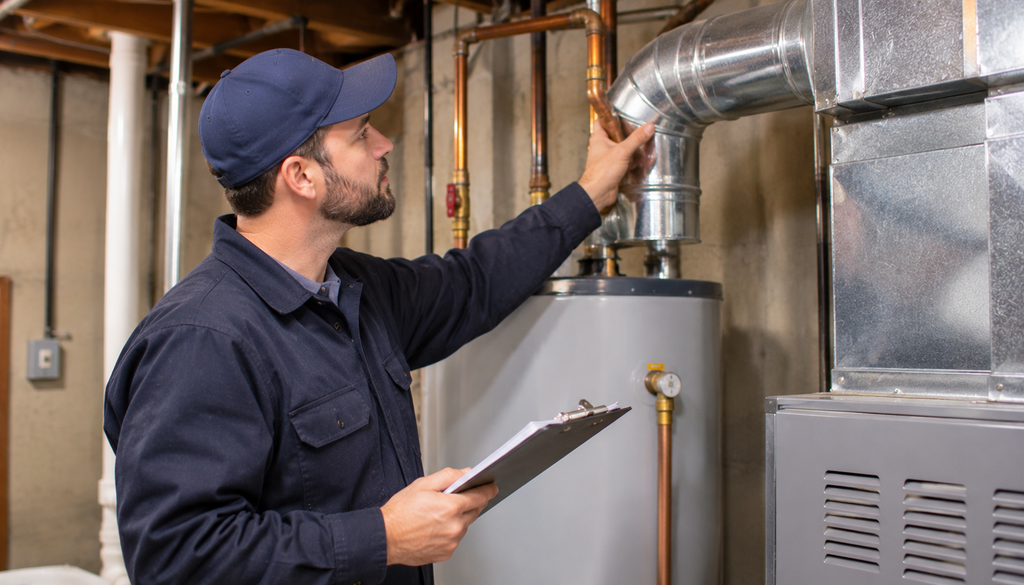
In some homes, a furnace and a naturally vented water heater discharge through a common vent or chimney.
If the replacement furnace vents separately, the water heater may become the only appliance using the original flue. Contractors sometimes call this an “orphaned water heater.”
The remaining appliance may not provide enough heat for the existing flue to establish adequate draft under all required conditions. Federal building guidance identifies this as an issue that may need correction during furnace replacement.
This does not mean every shared chimney needs the same modification. The remaining appliance and vent must be evaluated together.
Why Does Flue Size Matter?
A chimney is not suitable merely because its opening is larger than the appliance connection.
An oversized or otherwise unsuitable flue can allow exhaust to cool excessively and may contribute to condensation or poor draft. Its height, condition, configuration, and connected equipment also matter.
Homeowners should not measure a pipe and use an online chart to choose a liner themselves. Proper sizing requires appliance information and the applicable installation requirements.
An assessment for chimney liner installation or replacement can help establish whether liner work is appropriate. A new liner should follow a documented recommendation rather than an assumption that every furnace replacement requires one.
What Should Be Checked Before Installation?
Discuss the venting arrangement while planning the replacement.
The contractor should identify:
- Which appliances currently use the chimney.
- How the replacement furnace will vent.
- Which appliances will remain connected afterward.
- Whether existing components are suitable for continued use.
- What inspection, testing, or corrective work is needed.
Provide previous chimney reports and information about earlier appliance replacements. Mention water near the chimney base, rust, unusual odors, or past venting concerns.
These observations guide the assessment. They do not establish the cause or determine which repair is necessary.
Vent Connectors Also Need Attention
The vent connector is the section connecting an appliance to its chimney or vent system.
Its material, size, condition, arrangement, and connections must be appropriate for the installation. Reusing it should be a deliberate decision based on those requirements.
Chimney Experts NY’s boiler breaching and venting services are relevant when discussing chimney-side connections and venting work. Explain which equipment is being replaced so the team can confirm its scope and coordinate with the heating installer.
A furnace and a boiler are different appliances. The assessment and proposed work should reflect the actual equipment involved.
Latest Blog: Chimney Bricks Flaking?
Have you also noticed damage to the chimney’s exterior? Read Chimney Bricks Flaking or Breaking Apart? NYC Homeowner’s Guide.
The article explains how brick surface deterioration differs from damaged mortar joints and why moisture exposure needs investigation. Exterior repairs and appliance venting should each be assessed on their own findings.
Does a Clean Chimney Mean the Venting Is Suitable?
No. Cleaning removes appropriate deposits and debris, but it does not establish compatibility with a different appliance.
A chimney can look clear while its size, lining, or configuration is unsuitable for the equipment connected to it.
A chimney inspection in New York can provide information about chimney condition. Tell the provider that an appliance change is planned, because the purpose and necessary examination may differ from a routine maintenance visit.
The heating installer must also evaluate the appliance’s venting requirements and complete the appropriate commissioning checks.
What if the New Furnace No Longer Uses the Chimney?
First establish whether anything else still uses it.
A chimney may serve a water heater, fireplace, or another appliance through the same or a separate flue. The chimney’s exterior appearance cannot reliably establish its internal arrangement.
Do not seal openings or cap a chimney simply because one appliance has been disconnected. The contractor should confirm the status of every relevant flue and address abandoned connections appropriately.
If equipment remains connected, its venting must be evaluated as part of the changed arrangement. Government guidance specifically highlights this concern when a furnace leaves a shared chimney.
What Should You Ask Before the Job Is Finished?
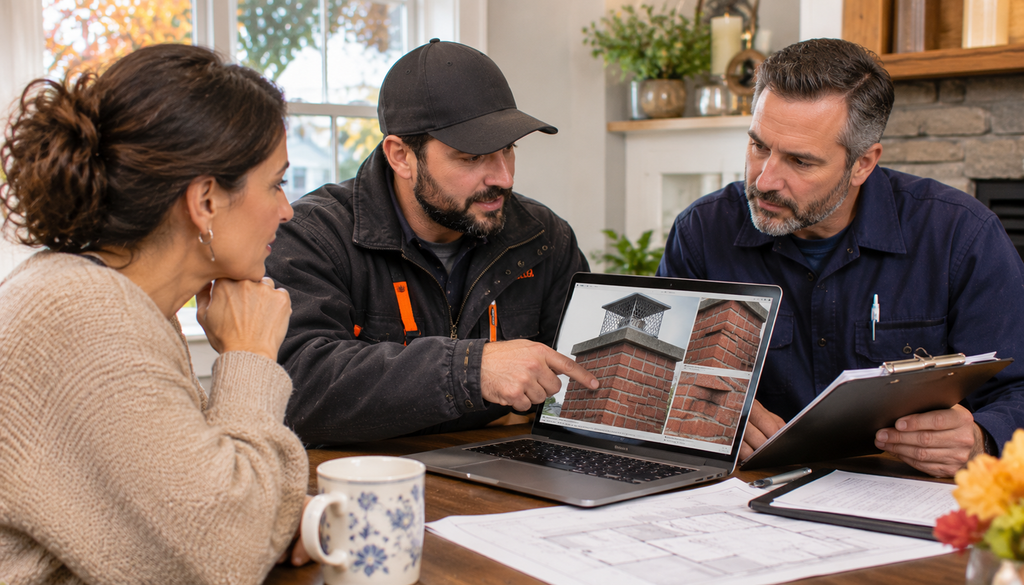
Ask for a clear explanation of how the completed system vents and what work was performed.
Useful questions include:
- Was every remaining connected appliance evaluated?
- Were any vent or liner changes required?
- Were the required operating checks completed?
- Is further chimney work outstanding?
- What documentation and maintenance instructions should I retain?
Permits and inspection requirements depend on the work and property. Ask the contractor to explain what applies.
In a managed building, involve the owner or management before changes to shared equipment or chimney systems.
Do Not Wait for an Obvious Warning
A heating system can have a venting problem without a dramatic smell or visible smoke. Carbon monoxide cannot be detected by smell.
Maintain carbon monoxide alarms according to their instructions and local requirements. Alarms provide essential warning but do not replace correct installation and professional checks.
If an alarm sounds or occupants feel unwell, leave the property and call emergency services from outside. Do not return until responders say it is safe.
Plan the Venting Alongside the Furnace
Discuss chimney requirements before installation rather than treating them as an unexpected addition afterward.
Contact Chimney Experts NY to discuss the chimney portion of your planned replacement. Share the proposed equipment details and explain whether another appliance currently uses the same vent.
Coordination between the heating contractor and chimney professional helps clarify responsibilities and identify necessary work.
Frequently Asked Questions
Does every replacement furnace need a chimney liner?
No. Requirements depend on the appliance and venting arrangement. Some furnaces use a separate manufacturer-specified vent system.
Can my water heater keep using the old chimney?
Possibly, but the changed arrangement must be evaluated. Removing a furnace from a shared vent can affect the remaining water heater.
Is chimney cleaning enough before replacement?
Cleaning may be needed, but it does not establish that the chimney is suitable for the new equipment.
Should I cap the chimney if the furnace vents outside?
Only after a professional confirms what still uses the chimney and how unused openings should be addressed.
Who should check the venting?
The qualified heating installer should assess appliance requirements and coordinate with a chimney professional where chimney examination or corrective work is needed.

Chimney Experts Cleaning & Repair
Lorem ipsum dolor sit ametLorem ipsum dolor sit amet, consectetur adipiscing elit, sed do eiusmod tempor incididunt ut labore et dolore magna aliqua.
See All Blog