
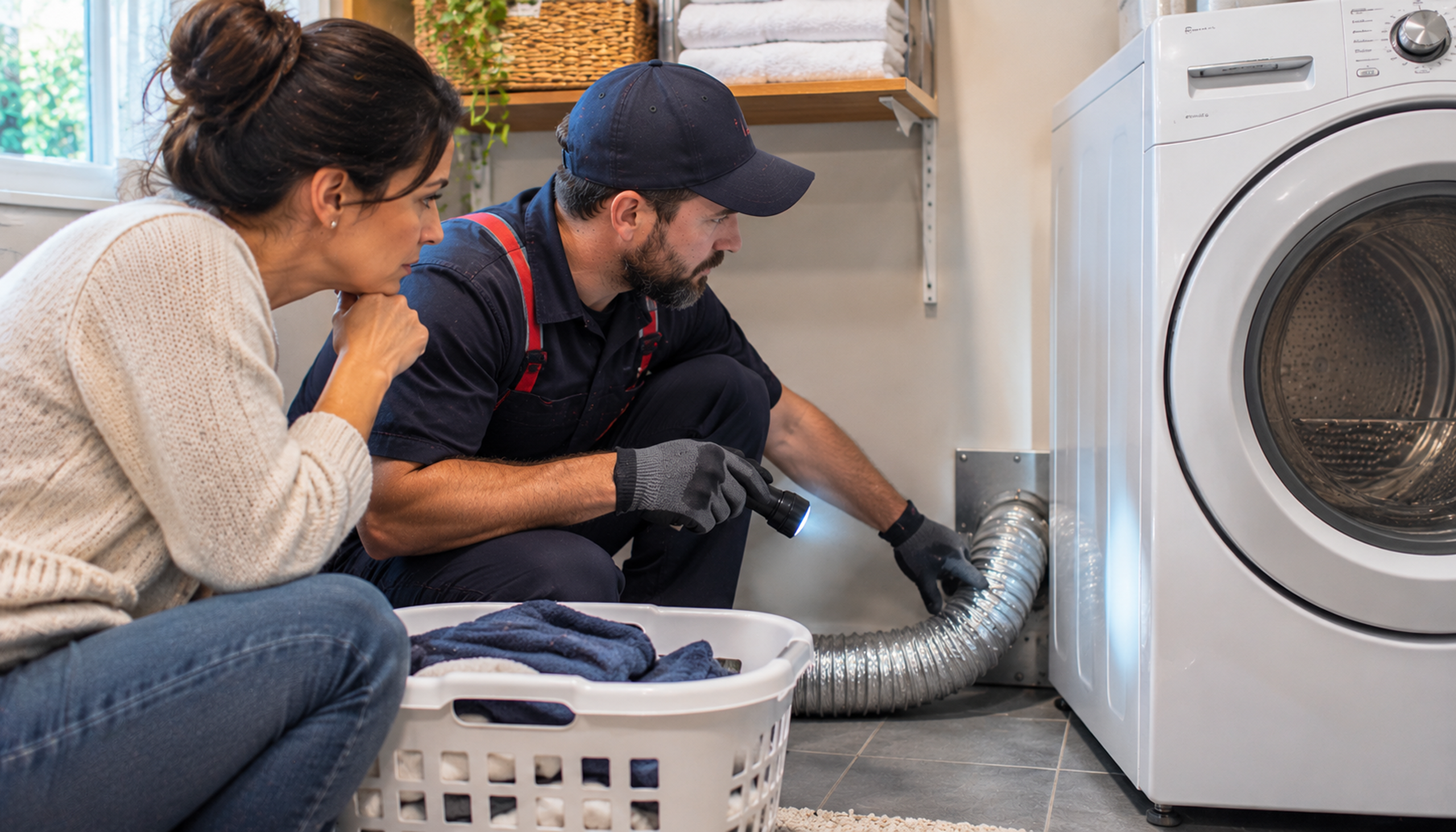
A dryer that keeps stopping mid-cycle can leave clothes damp and laundry unfinished. Restricted ventilation is one possible cause, but the problem can also involve cycle settings, moisture sensing, electrical supply, or an appliance fault.
The timing provides useful clues. Does the dryer stop shortly after starting, display an airflow warning, or finish an automatic cycle while clothes are still wet? These are different situations and may require different services.
Homeowners using Chimney Experts NY for chimney cleaning in New York can also ask about its dryer vent cleaning service. Describe the symptoms when booking so the team can explain whether a vent assessment is appropriate.
First, Identify What “Stopping” Means
A dryer that loses power is different from one that completes a sensor-controlled cycle too early.
Before arranging service, note whether:
- The display switches off completely.
- The drum stops but the controls remain illuminated.
- A warning or error code appears.
- The machine announces that the cycle has finished.
- The problem happens with every load.
Check the operating manual for your model. Some pauses and automatic endings are normal features, while repeated unexpected shutdowns need investigation.
Do not repeatedly restart a dryer that appears to be overheating.
1. Restricted Ventilation Can Contribute to Overheating
A vented dryer needs to discharge warm, moist air outside. If the exhaust route is restricted, heat and humidity may remain inside the appliance.
Depending on the model, protective controls may interrupt operation when temperatures become excessive. GE identifies blocked ventilation as one possible reason a dryer shuts down.
Possible restrictions include lint accumulation, a crushed connection, or an obstructed exterior outlet. However, stopping mid-cycle alone does not prove the vent is blocked.
Professional dryer vent cleaning in NYC may be appropriate when the exhaust route needs assessment and cleaning. An internal appliance fault requires a qualified appliance technician.
2. The Lint Filter Needs Routine Attention
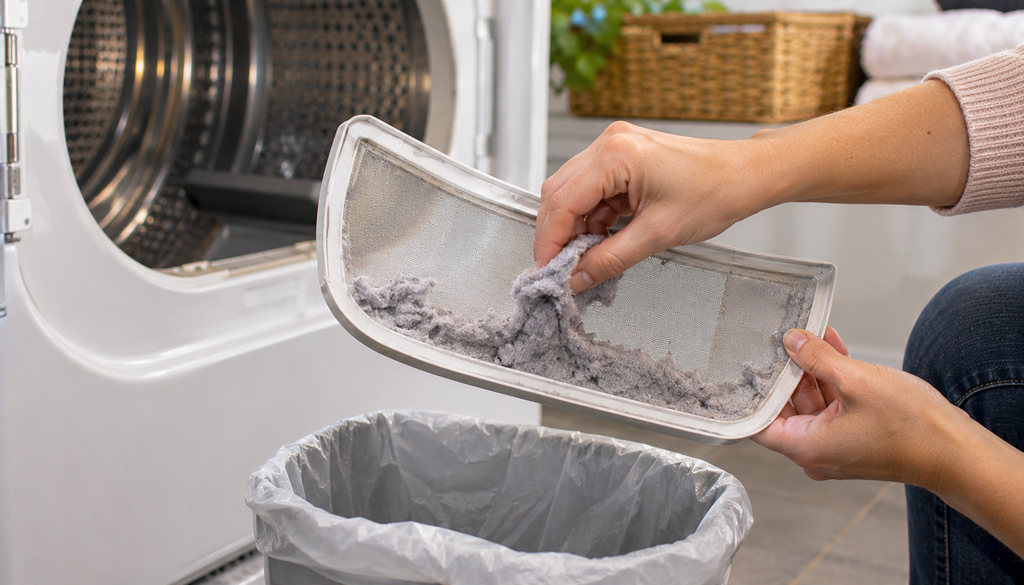
A lint filter collects material released from clothing, but it does not catch everything traveling through the exhaust system.
With the dryer stopped and cool, clean the removable filter according to the manufacturer’s instructions. Follow any specific guidance for washing it or removing residue, and reinstall it correctly.
A clean filter does not establish that the entire vent is clear. Restrictions can exist farther along the duct.
Do not reach into inaccessible openings, remove appliance panels, or use sharp objects to clear material.
3. Automatic Cycles Can End Before Clothes Feel Dry
Moisture-sensing cycles estimate when a load has reached the selected dryness level. A small load, mixed fabrics, unsuitable settings, or a sensing issue can affect the result.
For example, a few lightweight garments may behave differently from a full load of towels. The machine may finish its cycle rather than suffer an unexpected shutdown.
Review the recommended load size, cycle, and dryness setting in the manual. If the manufacturer provides instructions for cleaning accessible moisture sensors, follow them exactly.
Persistent early endings may require appliance service. Vent cleaning should not be presented as a guaranteed solution to a sensor problem.
4. Loading and Settings Can Affect Performance
An overloaded drum can interfere with tumbling and drying. Mixed loads may also contain items that dry at very different rates.
Use the recommended capacity and separate heavy fabrics from lightweight garments where practical. Check whether an automatic, timed, delicate, or air-only cycle was selected.
These observations help explain performance, but they do not establish why a dryer loses power or becomes unusually hot.
If the appliance repeatedly stops despite suitable loading and settings, arrange an assessment instead of continuing to experiment.
Latest Blog: Black, Shiny Buildup in Your Chimney?
Maintaining more than one venting system at home? Read Black, Shiny Buildup in Your Chimney? NYC Creosote Guide to learn about deposits associated with wood-burning fireplaces.
Chimney creosote and dryer lint are different materials in separate systems. Each requires an appropriate assessment and maintenance method.
5. Electrical or Internal Appliance Faults Are Also Possible
A dryer can stop because of a power problem or an internal component fault. Door switches, motors, controls, and temperature-related components may require professional diagnosis.
A repeatedly tripping breaker, damaged cord, discolored outlet, or burning smell needs attention. Do not keep resetting the breaker or substitute an extension cord.
Avoid opening electrical compartments or attempting to bypass a switch or protective device.
Explain the symptoms to a qualified appliance technician or electrician, as appropriate. A vent cleaning provider cannot confirm that every internal appliance component is working correctly.
What Can You Observe Safely?
Without moving the dryer or dismantling anything, record the model number, displayed messages, selected cycle, and approximate time before it stops.
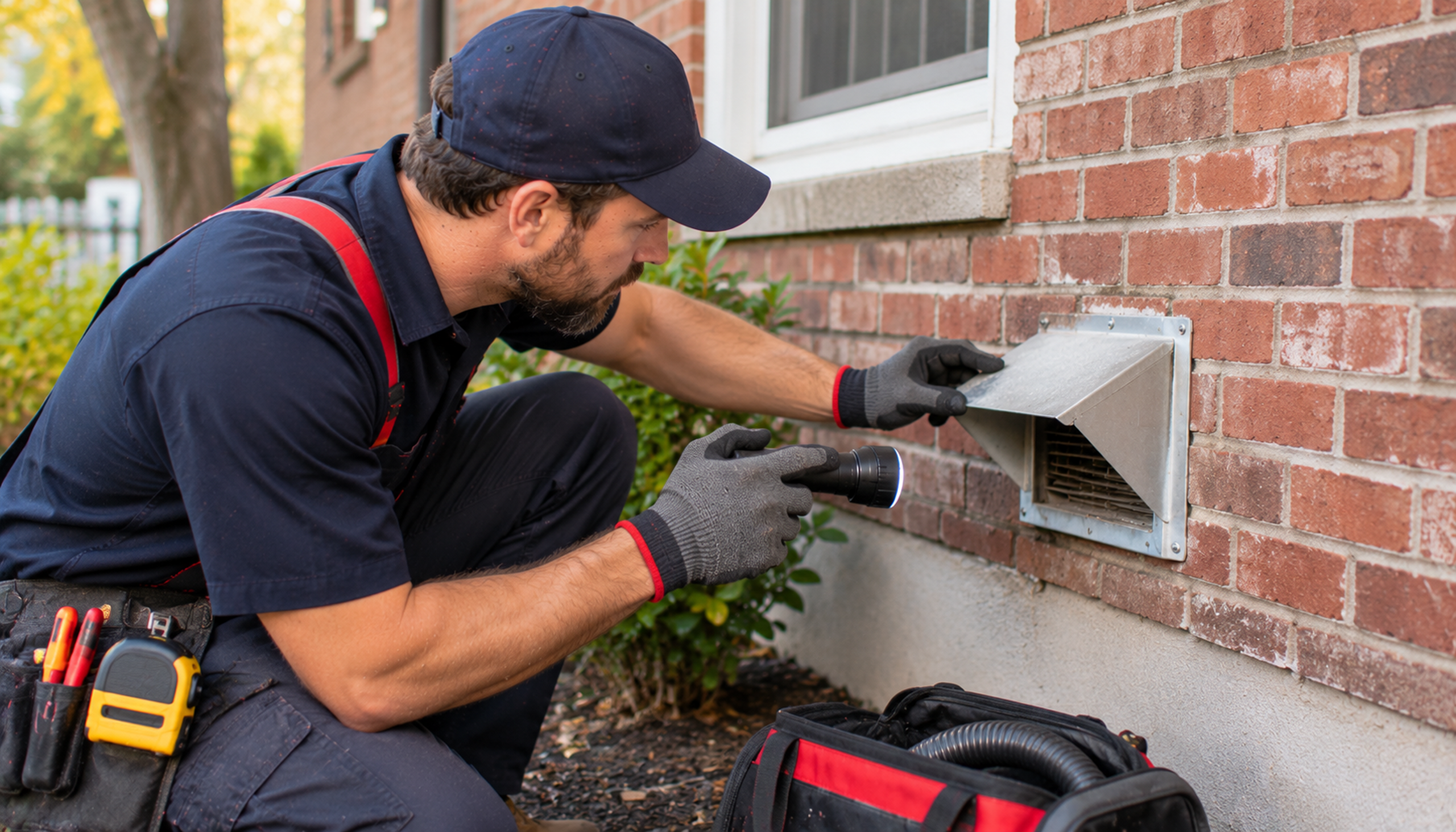
If the exterior exhaust outlet is safely visible from ground level, note obvious damage or obstruction. Do not climb, remove guards, or operate a suspect dryer just to test airflow.
Also mention recent changes: a new appliance, building work, a relocated dryer, or a vent connection that may have been compressed.
In an NYC apartment or shared building, contact management before arranging work on a concealed or shared exhaust route.
Vent Cleaning or Appliance Repair: Which Comes First?
The appropriate service depends on the evidence.
An airflow warning, known duct restriction, or overdue vent maintenance may justify a vent assessment. A machine that loses power, displays a component error, or continues stopping after ventilation is confirmed needs appliance diagnosis.
Some cases require both services. Clearing a restriction will not repair a failed motor, while replacing an appliance component will not clear a blocked duct.
Ask each provider what was checked and what remains unresolved.
Does This Apply to Heat-Pump Dryers?
This article mainly concerns dryers that exhaust through an outdoor vent.
Many heat-pump and condenser dryers use a different moisture-management system. Their filters, heat exchangers, water containers, or drains may need attention according to the model instructions.
Do not book external vent cleaning for an appliance that has no external exhaust duct. Identify the dryer type before choosing a service.
When Should You Stop Using the Dryer?
Stop using the appliance if it repeatedly shuts down, becomes unusually hot, produces a burning smell, or displays a persistent warning.
For smoke or suspected fire, leave the property and call 911. If you smell gas, leave without operating switches and contact emergency services or the gas utility from outside.
Do not disconnect the vent and run the machine indoors as a workaround. Gas dryers can discharge combustion gases, and vented electric dryers release heat, moisture, and lint.
Arrange the Right Assessment
A repeated shutdown needs a clear explanation before normal use resumes.
Contact Chimney Experts NY to discuss a possible vent restriction. Share any error messages and explain when the dryer stops. If the symptoms suggest an appliance fault, arrange the appropriate repair service.
Frequently Asked Questions
Can a blocked vent make a dryer stop?
Yes. Restricted ventilation can contribute to overheating and protective shutdowns on some models. Other faults can cause similar symptoms.
Does a clean lint filter mean the vent is clear?
No. Lint and restrictions can exist beyond the removable filter.
Should I restart it after it cools?
Cooling down does not resolve the cause. Avoid repeatedly restarting a dryer with unexplained shutdowns or overheating.
Will vent cleaning fix every stopping problem?
No. Sensors, electrical supply, and internal appliance components may require separate diagnosis.
What information should I provide when booking?
Share the model, dryer type, cycle setting, displayed warnings, and when it stops. Mention unusual heat, smells, or recent installation changes.

Chimney Experts Cleaning & Repair
Lorem ipsum dolor sit ametLorem ipsum dolor sit amet, consectetur adipiscing elit, sed do eiusmod tempor incididunt ut labore et dolore magna aliqua.
See All Blog